Know Where All of Your Returnable Transport Items Are with RFID
 Returnable Transport Items (RTIs), the reusable pallets, crates, totes, and containers that both store and move goods through supply chains, have long posed a tracking challenge for the businesses that rely on them. Radio Frequency Identification (RFID) has emerged as the technology built to solve it.
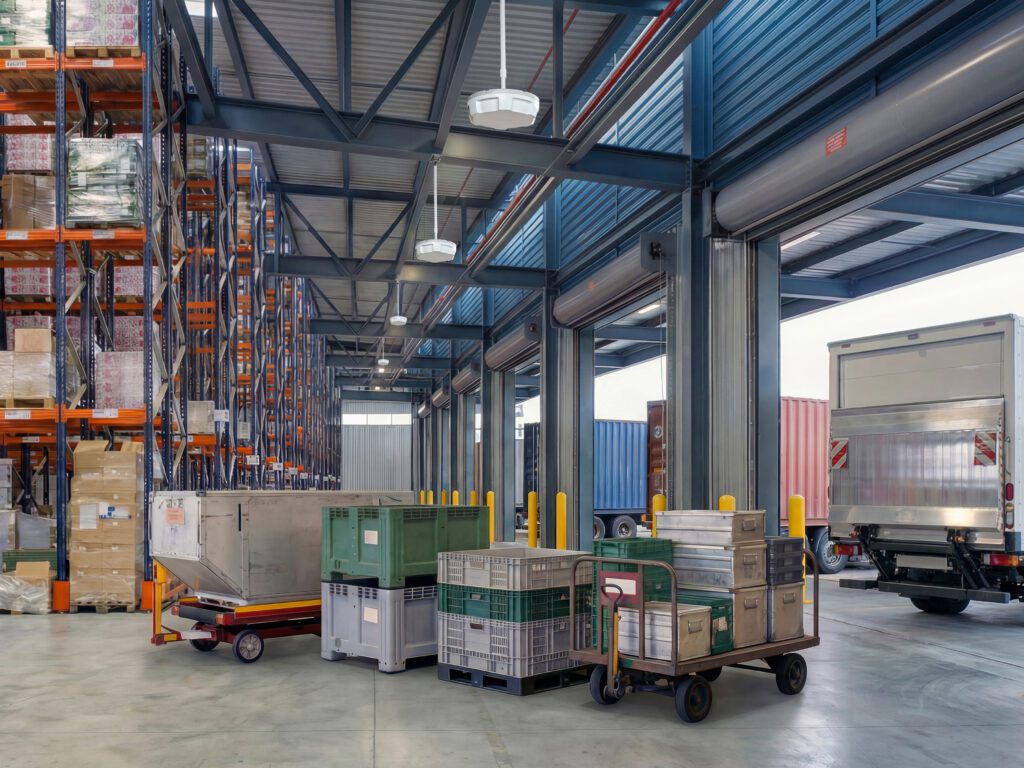
In general, RTIs consolidate items with two goals in mind: storing inventory onsite in a sustainable way through reusable containers and maximizing shipping efficiency, whether an RTI is moving internally within a worksite or coming and going as inbound or outbound shipments. The contents of returnable transport items may include parts, raw materials, and finished goods to even cold-stored inventory like produce, seafood, and meat.
How Returnable Transport Items (and the Processes Using Them) Fail
When it comes to tracking Returnable Transport Items, the problems begin with the containers themselves. Depending on the volume of items RTIs are slated to handle in a facility, not to mention the size of the location and business overall, the number of RTIs in circulation can reach into the thousands, and they often all look alike. With so few distinguishing features from one container to the next, a reliable way to catalog each one becomes essential.
The contents within each container present their own challenge. Even when a company follows a defined process for managing RTI inventory, what ends up inside one container versus another is ultimately determined by the organization itself, and that can vary widely. For RTIs that travel often, some companies batch items together based solely on their next destination, often driven by e-commerce systems that dictate what gets picked and packed, with little regard for separating items by type.
In fixed locations, such as warehouse shelves or shop floor operator stations, the same items are routinely assigned to the same container, which can create blind spots for managers who assume those “things” only exist in that one place, throwing off cycle counts when they turn out to be elsewhere. Some items could end up in the wrong RTI (or anywhere else across a worksite for that matter) and never be accounted for. Cold storage facilities add another layer of complexity, where perishable goods are often loaded in a way that relies on weight alone to determine what is inside and what it is worth, since retail pricing for items like produce, seafood, and meat is typically measured that way.
Regardless of the industry, this lack of consistency leaves both returnable transport items and their contents vulnerable to miscounts, theft, and other issues that can quietly chip away at revenue. And while pen and paper tracking is never the answer, even manual scanning solutions can fall short, struggling to keep pace with the speed and volume that modern operations demand. Human error only compounds the problem, showing far more often than any supply chain manager would like to admit.