Skip to content

RFID vs UWB vs BLE: Which Tracking Technology Fits Your Business?

Summary:

RFID, Ultra-Wideband (UWB), and Bluetooth Low Energy (BLE) are the three fastest-growing wireless tracking technologies in global business adoption, each suited to different use cases – depending on accuracy, cost, range, and workflow processes.

  • RFID is best for large-scale inventory and asset tracking where the exact location of items or personnel isn’t critical but knowing something is in “the right place” is. It confirms an item’s presence within a read zone rather than its precise position
  • Ultra-Wideband (UWB) delivers centimeter-level location accuracy, making it the top choice for real-time positioning, secure keyless access, and precision indoor navigation. It calculates position using time-of-flight signal data between devices.
  • Bluetooth Low Energy (BLE) offers room-level or proximity-based tracking, often leveraging smartphones, wearables, and rugged enterprise handhelds already in use, making it ideal for consumer-facing or budget-conscious applications.

The Final Word: Choose RFID for broad presence-based tracking at scale, UWB for precision location, and BLE for proximity detection using existing devices.
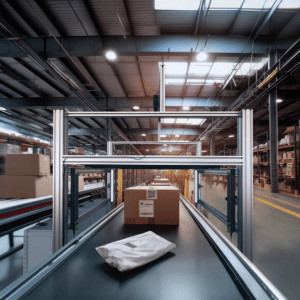
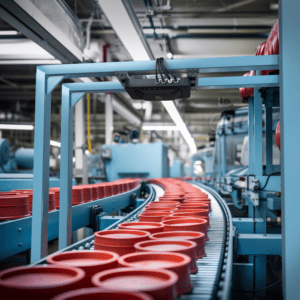
RFID Reader in Warehouse - Tunnel (RFID vs UWB vs BLE)RFID, Ultra-Wideband (UWB), and Bluetooth Low Energy (BLE) – Track and Trace Solutions With Similar (and Different) Purposes

Over-the-air tracking technology isn’t a one-size-fits-all decision, and more businesses are realizing that every day. When it comes to comparing RFID, UWB, and BLE, all three have emerged as go-to solutions, each with its own strengths.

But what does each technology actually do?  What makes them stand out?  And maybe most importantly, how do you know which one is right for your business?

Let’s break down the basics.

RFID vs UWB vs BLE

RFID (Radio Frequency Identification)

RFID uses radio waves to identify and track tags attached to objects, without requiring direct line of sight. Passive RFID tags have no power source and rely on energy from the reader signal, while active RFID tags use their own battery for longer range and act in a sense like beacons. Read ranges vary widely, from a few inches (passive) to over 100 meters (active). Given the variety and long history of use cases, RFID has made a home in supply chain, manufacturing, healthcare, and retail environments that put a premium on tracking “things.” Though adoption has surged recently, you might be surprised to learn that RFID is one of the oldest tracking technologies in existence, tracing back to WWII-era radar systems, though today it’s most applied for business use cases.

Why Use RFID for Tracking and Visibility?

  • Depending on need, tags can be affordable, especially passive tags
  • Passive tags do not require a battery, delivering a long operational lifespan with minimal maintenance
  • Flexible read range, from centimeters to over 100+ meters, allowing tags to be matched to the specific use case
  • Mature, well-established technology backed by decades of advancements and a proven infrastructure
  • Reliable for zone- and room-level tracking, ideal for confirming presence and streamlining inventory visibility
  • Proven track record across industries like supply chain fields, healthcare, and retail, making it a trusted, low-risk foundation for tracking and visibility initiatives

Ultra-Wideband (UWB)

Ultra-Wideband transmits data across a wide frequency spectrum using short, low-energy pulses, enabling highly precise distance and location measurements. It calculates position using time-of-flight signal calculations, achieving accuracy within centimeters. Today’s most common use of UWB can be seen through real-time location systems (RTLS), which is often used for inventory management, asset tracking, movement history (including speed), and other various operational metrics. This makes it especially valuable in warehousing and manufacturing, where tracking workflow efficiency and the real-time usage and performance of high-value equipment, down to the exact point where work is taking place, can uncover hidden sources of lost revenue.

Why Use UWB for Tracking and Visibility?

  • Delivers extremely high positioning accuracy, within 10–30 cm
  • Low latency, ideal for real-time tracking and instant decision-making
  • Resistant to interference and multipath signal issues for consistent performance
  • Performs reliably even in dense, cluttered indoor environments
  • Delivers precision-grade accuracy that justifies its investment for high-value tracking
  • Growing adoption in smartphones, expanding everyday familiarity through features like digital car keys and precise “Find My” location use cases

Bluetooth Low Energy (BLE)

Bluetooth Low Energy is a short-range wireless technology designed for energy-efficient data transmission between devices. It’s built into most smartphones, tablets, and wearables, as well as rugged enterprise handheld computers and mobile devices used in warehouse and field service environments, making it highly accessible without specialized readers. It can also be attached to badges, garments, and other personal items. BLE beacons broadcast signals that nearby devices can detect to estimate proximity or general location. Because it can interact directly with a visitor’s or patient’s own device, it’s uniquely suited for applications like hospital wayfinding, where guiding someone to the right department can improve their overall experience.

Why Use BLE for Tracking and Visibility?

  • Built into virtually all modern smartphones, tablets, and enterprise-grade devices
  • Low power consumption, long battery life for beacons/tags
  • Moderate accuracy (typically 1–3 meters, room-level or proximity-based)
  • Inexpensive to deploy at scale
  • Reliable performance for everyday proximity and presence-based tracking needs
  • Widely used for proximity marketing, asset tracking, and contact tracing

What Common Industry Use Cases are RFID, UWB, and BLE Best For?

RFID

Possible Use Cases Include:

Inventory management, supply chain tracking, retail loss prevention, warehouse cycle counts and receiving/shipping verification, bulk pallet and case-level scanning, healthcare stock/stockrooms and medication tracking, manufacturing work-in-progress visibility, and asset audits across large facilities.

Ultra Wide-Band UWB RFID Wiser Square Image (RFID vs UWB vs BLE)

Ultra Wideband (UWB)

Possible Use Cases Include:

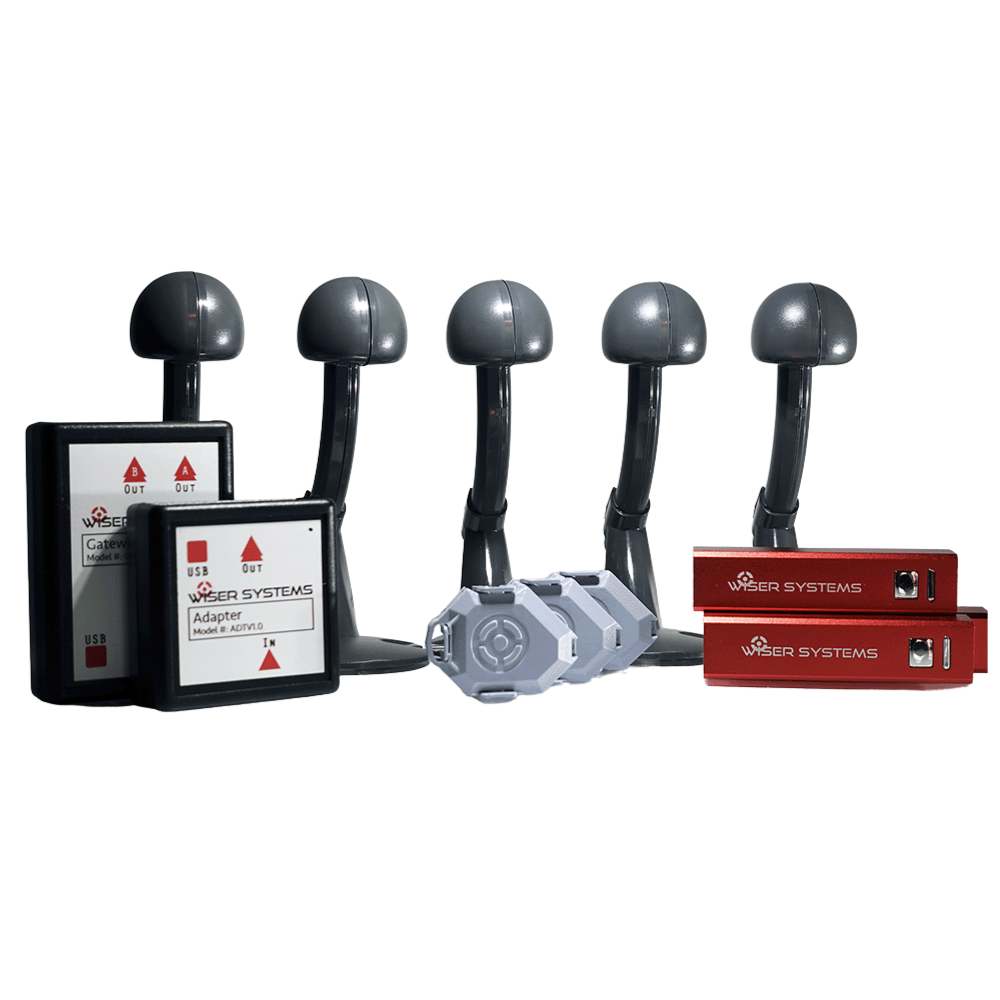
High-precision indoor positioning, secure access (keyless entry), robotics/automation, speed/velocity tracking, real-time forklift/staff tracking, cycle time and throughput tracking for fast-moving operations, healthcare equipment and patient location, and centimeter-level accuracy applications.

Bluetooth Low Energy BLE Square Image (RFID vs UWB vs BLE)

Bluetooth Low Energy (BLE)

Possible Use Cases Include:

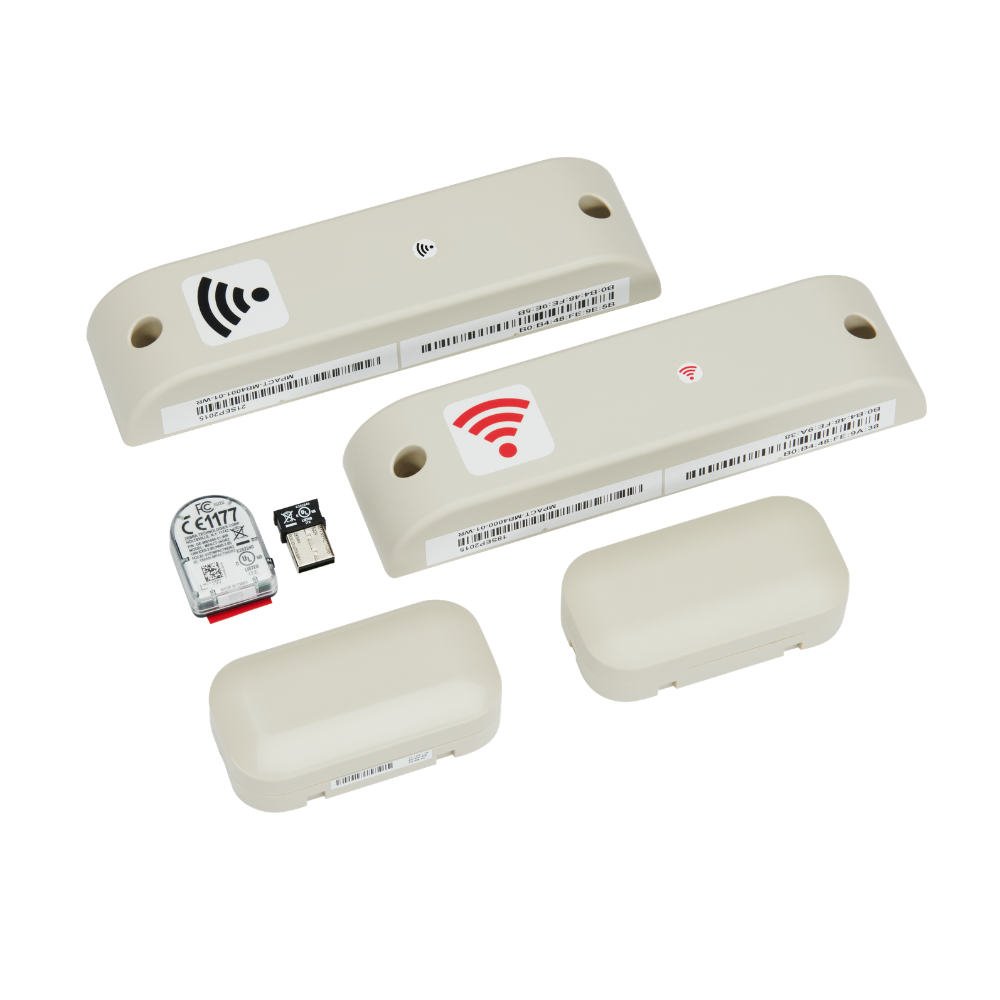
Proximity-based applications, business-critical location services, low-cost asset tracking, zone-based safety alerts, healthcare shared-equipment tracking, employee/guest directional assistance, badge identification, and scenarios leveraging existing smartphone or handheld infrastructure.

How are RFID, Ultra Wide-Band (UWB), and Bluetooth Low Energy (BLE) Solutions Different from One Another?

Accuracy

RFID Reader (RFID vs UWB vs BLE)

  • UWB offers centimeter-level precision, typically within 10–30 cm
  • BLE offers meter-level proximity, generally within 1–3 meters
  • RFID typically only confirms presence within a general zone or read range

Cost

RFID Reader in MFG (RFID vs UWB vs BLE)

  • RFID (notably passive) can be more affordable to deploy at scale
  • BLE is moderately priced, often leveraging devices already in use
  • UWB is the priciest, requiring specialized hardware and expertise

Power & Range

RFID Handheld Scanner (RFID vs UWB vs BLE)

  • RFID varies by tag type; passive RFID is unpowered with short range, active RFID offers longer range via battery
  • BLE balances low power usage with a moderate operating range
  • UWB uses more power for superior accuracy at moderate range

Hardware Requirements

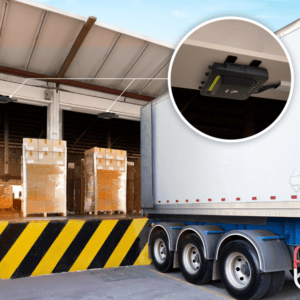
Zebra RFID in Dock (RFID vs UWB vs BLE)

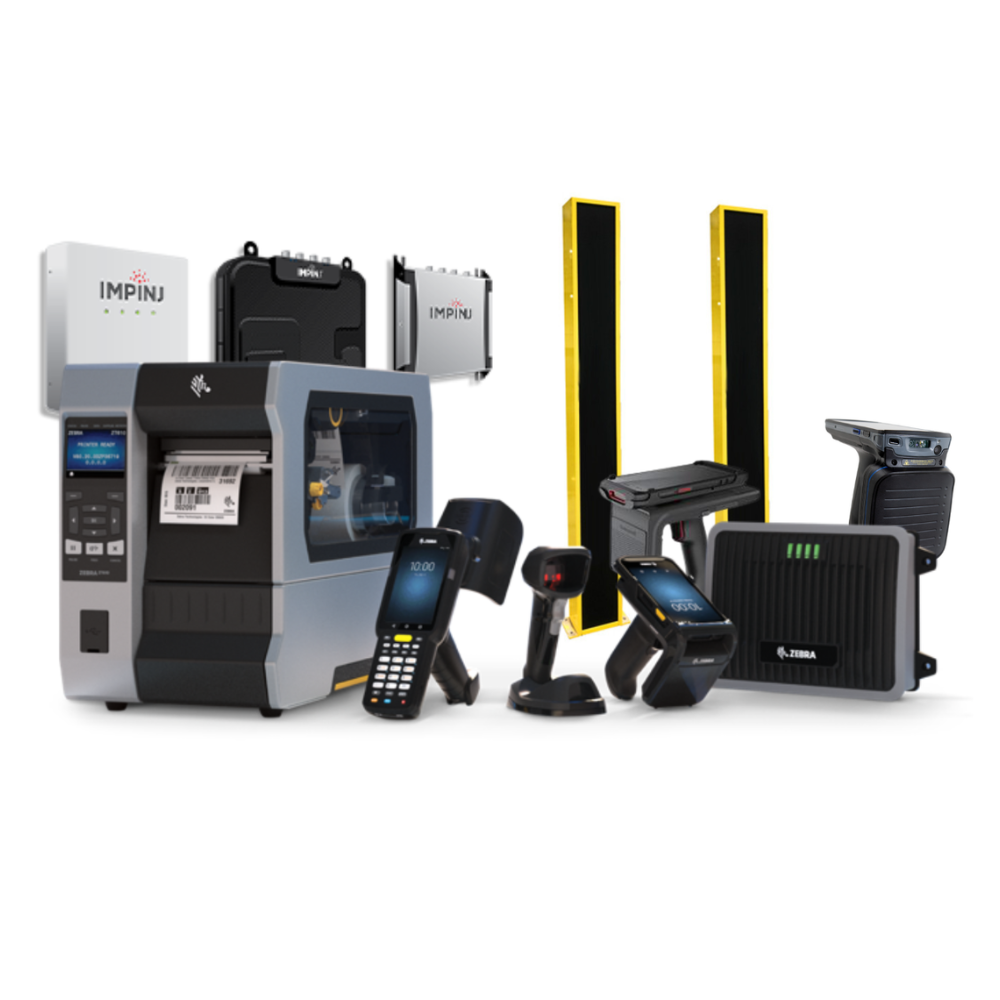
  • RFID requires dedicated readers or gateways (handhelds optional)
  • BLE can leverage existing enterprise or consumer devices alongside beacons
  • UWB requires specialized anchors and chipsets not yet universal

Environmental Resilience

RFID Reader in Warehouse by Cage (RFID vs UWB vs BLE)

  • RFID read range can degrade near metal and liquids, which might reflect or absorb signals
  • UWB is very resilient, thanks to its wideband pulse-based signal
  • BLE is generally stable, though signal loss via obstacles is possible

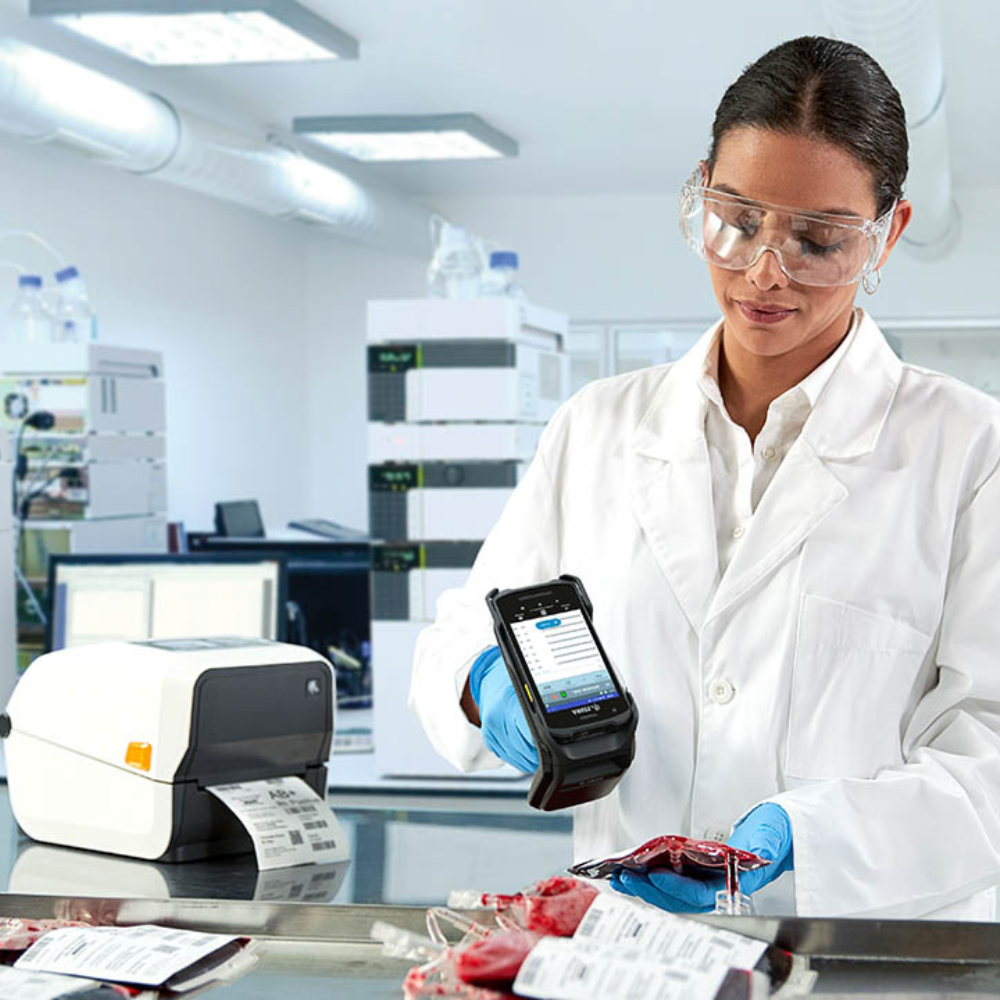
RFID Reader in Lab (RFID vs UWB vs BLE)

Conclusion

Choosing between RFID, UWB, and BLE ultimately comes down to what your operation needs to know: presence, precision, or proximity.

RFID remains the go-to for broad, cost-effective tracking at scale, while UWB steps in when pinpoint accuracy and real-time positioning are non-negotiable, and BLE offers a flexible, budget-friendly option that leverages devices already in use.

In many cases, the right answer in the RFID vs UWB vs BLE debate isn’t choosing just one technology, but understanding how they can complement each other within a broader tracking and visibility strategy. It may even extend to other tracking technologies not covered here, such as barcoding, which can serve as an effective overlay that’s easy to integrate, adopt, and manage alongside these solutions to support similar or different products and enterprise KPIs that might be out of the scope of the other technologies.

Whatever your goals, the right technology should fit your workflow, not force you to fit it.

With that in mind, if you are considering any of the three tracking technologies, RMS Omega is ready to answer your questions, walk you through your potential project, and align you with a complete solution for your most pressing operational challenges.

Contact Us Today