Skip to content

RFID Retail Mandate Compliance for Suppliers

Approved tags, encoded labels, and a team that's done this before.

Your buyer just sent over a tagging playbook, a deadline, and not much else. Now you’re expected to pick an approved tag, get it certified, encode it properly, and have it on every unit before you ship.

An RFID retail mandate doesn’t have to turn into a complicated side quest for your ops team. RMS Omega works with suppliers from the first read of the retailer’s requirements through production, testing, and every reorder that comes after. You can hand us the whole job, or we can set your team up to run it in-house.

What is an RFID Retail Mandate?

An RFID retail mandate is a requirement from a retailer that suppliers apply RFID tags to their products, cases, or packaging before shipping.

Retailers use these tags to get accurate, item-level inventory counts across distribution centers and stores. Large, multi-national retailers like Walmart, Target, and Nordstrom have all announced supplier RFID programs in the last several years and more retailers are adding requirements every year.

Who Has to Comply with a RFID Retail Mandate?

Typically the suppliers and manufacturers shipping into that retailer. Depending on how a mandate is written, it can also reach co-packers, distributors, importers, and 3PLs that touch the product before it arrives.

If you’ve been sent a playbook or a new compliance date – assume it applies to you until someone confirms otherwise.

What do Most RFID Retail Mandates Require?

Every retailer will have their own playbook, but most cover a lot of the same ground:

  • Tag Types: UHF RAIN RFID (EPC Gen2) tags, often limited to specific approved inlays
  • Certification: Tags that pass the retailer’s performance spec, commonly through the Auburn University RFID Lab’s ARC program
  • Encoding: Product data written to the tag in a GS1 standard format, usually tied to the item’s UPC
  • Placement: Exact tag locations by product and packaging type, clear of metal, liquids, and other barcodes
  • Timeline: A compliance date, sometimes with a testing or pilot window before it

Where Retail Suppliers Get Stuck

You can read the playbook, but the hard part is putting all the pieces into place – usually with a deadline that was set without your input.

Picking From a List of Approved Tags

The playbook will tell you the retailer’s approved specs, but it won’t tell you which tag will perform best with your product, fits your packaging, and is actually in stock at the volume you need.

Getting Through ARC Approval

Submission forms, physical samples, and a lab review all have to line up before production can start. A missed detail can send you back to the start of the queue.

Printing and Encoding at Volume

Encoding thousands of tags correctly takes the right printers, software, and someone who knows how to run them. Most suppliers don’t already have that sitting in a back room.

Keeping Up When Specs Change

Retailers revise their requirements, add new categories, and update approved tag lists. Being compliant last year doesn’t guarantee you’re compliant this year.

How RMS Omega Gets You RFID Retail Mandate Ready

We’ve broken compliance into five steps. You’ll have one point of contact through all of them, so nobody has to re-explain your product line halfway through.

Step 1: Review Your Requirements

Send us the retailer’s playbook along with your product categories, packaging types, and expected annual volume. We’ll translate it into a short list of what you actually need to do, and by when.

Step 2: Select the Right Approved Tag

We’ll recommend tags from the retailer’s approved list based on how they perform on your product, how they fit your packaging, cost at your volume, and lead time.

Step 3: Test, Sample, and Submit

We’ll print and encode sample tags to the retailer’s spec, test them on your product, and help you assemble the ARC submission so it goes in complete the first time.

Step 4: Choose Your Production Path

Order finished labels from our in-house printing lab, or have us set up and configure print-and-encode equipment at your facility. More on both options below.

Step 5: Stay Compliant

We’ll keep an eye on spec changes, manage reorders, and support your equipment through our Managed Services team, so compliance holds up past the first shipment.

Two Ways to Meet Your RFID Retail Mandate

Some suppliers want labels in a box. Others want the capability in-house. We can support both, and you can always switch as volume or need grows.

Not sure which would fit best? A common approach is to start with pre-printed labels to make the first deadline smoothly, then revisit in-house printing once volumes are clear. We can help you run the numbers either way:

Option 1: Pre-Printed, Pre-Encoded Labels

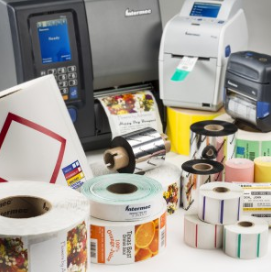
Our Label Pre-Print Services team handles template design, encoding, test print validation, and high-volume production in our printing labs. Your labels arrive ready to apply.

This option is a great fit if you:

  • Need to hit a compliance date quickly
  • Have steady, predictable SKUs and volumes
  • Would rather not buy, run, and maintain printers for one retailer requirement

Learn More About Our Label Pre-Print Services

Option 2: In-House Print-and-Encode, Supported by RMS

We can help you spec, install, and configure your own RFID printers and software at your facility. Plus, we can train your team to run them seamlessly, and set you up with our Managed Services team to keep you running long after go-live.

This is a good fit if you:

  • Ship high volumes or change SKUs often
  • Need to tag on demand, close to the packing line
  • Want to use the same infrastructure for your own inventory tracking down the road

Learn More About Our Full Scope Managed Services

Get More Out of the RFID Tags You Need for Retail Mandates

Once your products carry RFID tags, the same tags can work for you before they ever reach the retailer. With readers in the right places, suppliers can:

  • Verify outbound orders automatically before they ship with RFID Order Verification
  • Count inventory in minutes instead of hours
  • Cut down on chargebacks from short or mis-shipped orders

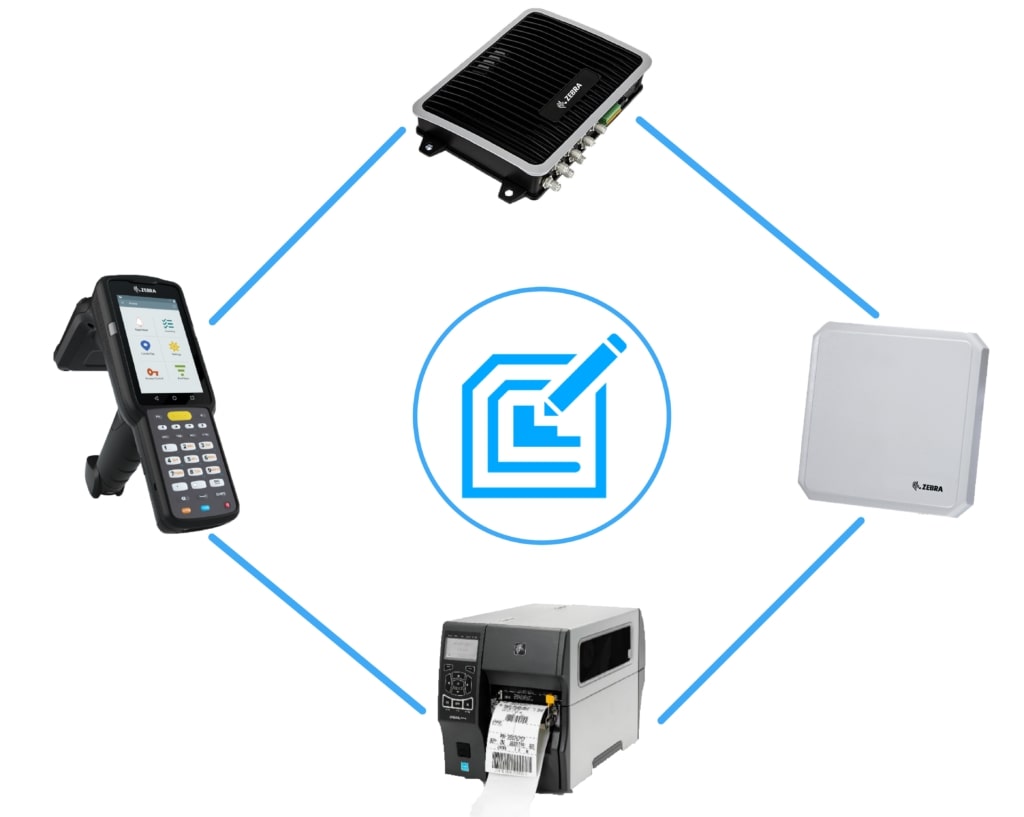
Our Discovery & Design team can map out what a full RFID setup could look like in your facility, whenever you’re ready.

Complete RFID solution architecture.

Why Retail Suppliers Work With RMS Omega

We’re more than just a tag vendor. RMS Omega designs, deploys, and supports RFID systems for manufacturers, warehouses, and distributors, so your mandate work is backed by people who run RFID in live operations.

  • In-House Printing: For barcode and RFID label production
  • Dedicated RFID Specialists: They handle tag selection, encoding, and testing
  • Hardware Expertise: Across Zebra, Brady, and other leading RFID manufacturers
  • Managed Services: For device setup, maintenance, and help desk support after go-live

Here's What Some Of Our Customers Say

Some of Our Supply Chain Customers

RFID Retail Mandate FAQs

What is an RFID Retail Mandate?

It’s a retailer requirement that suppliers tag products or packaging with RFID before shipping, following the retailer’s rules for tag type, encoding, placement, and timing.

What is ARC certification?

ARC is a program run by the Auburn University RFID Lab that tests tags against performance specs retailers use. Many mandates require tags that meet a specific ARC spec.

Can I use any UHF RFID tag?

Usually not. Most mandates limit you to approved inlays or tags that meet a specific spec. Using an unapproved tag can lead to rejected shipments.

Where should I put the RFID tag on my product?

Follow your retailer’s placement guidelines first and foremost. But, in general, tags should sit away from metal, liquids, and any existing barcodes, and it shouldn’t bend over tight corners.

What happens if I don't meet compliance by the deadline?

It depends on the retailer, but any product in non-compliance sent after the deadline can mean chargebacks or rejected shipments.

Do I need to buy RFID printers?

Not necessarily. Many suppliers order pre-printed, pre-encoded labels instead. In-house printing can make more sense at higher volumes or if you SKUs that change often.

How long does it take to meet RFID Retail Mandates?

It depends on tag selection, ARC approval timing, and your volume. Start as soon as you receive the playbook. We recommend giving yourself at least 4 weeks to meet retailer deadlines.

Do RFID mandates apply outside of retail?

Yes. Government agencies, healthcare distributors, and large manufacturers also set RFID requirements for their suppliers, and continue to do so in greater numbers every year.

Contact Us for a Free Consultation

Request more information about RFID or RTLS technology, inquire about costs, or schedule a free consultation to discuss your needs.

Simply call (888) 857-8402, email info@rmsomega.com, or fill out our form! We’re here to help.

Have a Question? Ask the Solutions Team at RMS!